

How to Brew the Perfect Pot of Tea
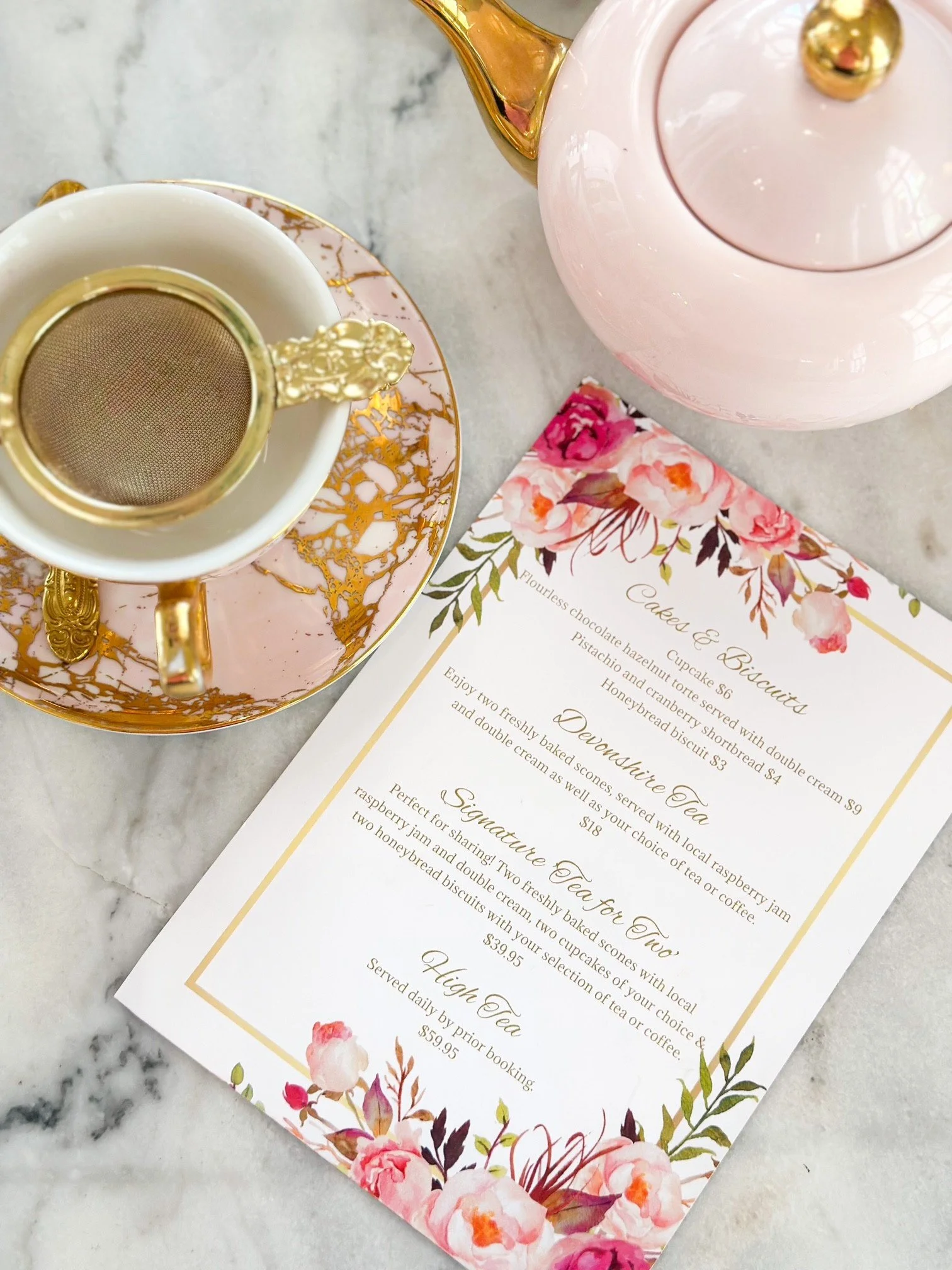
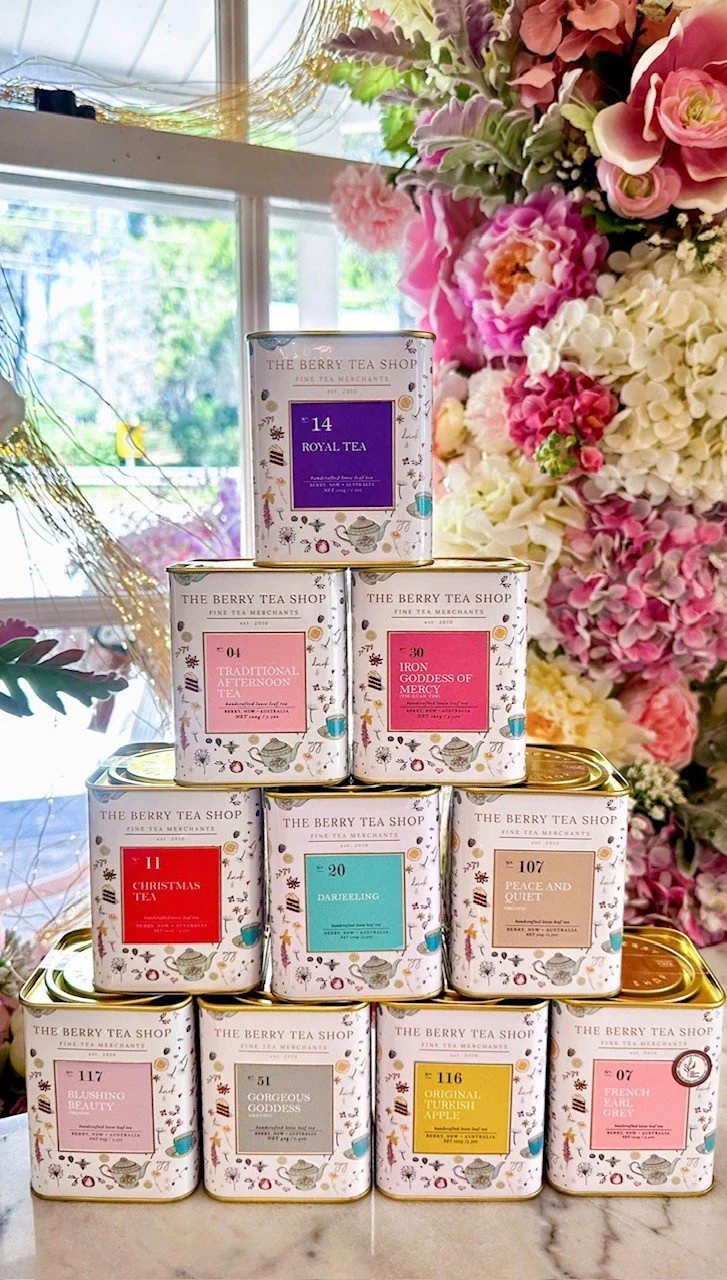
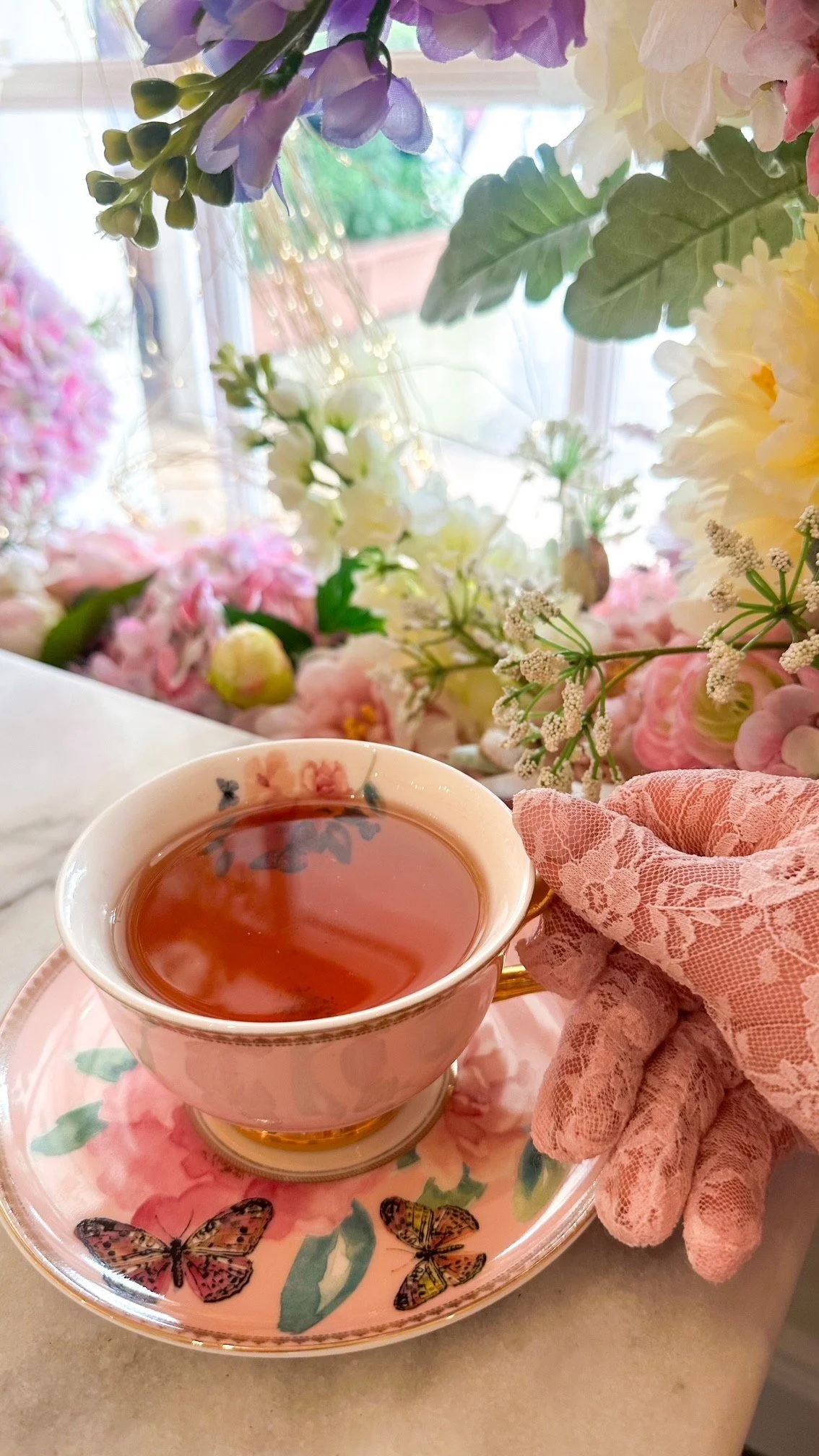
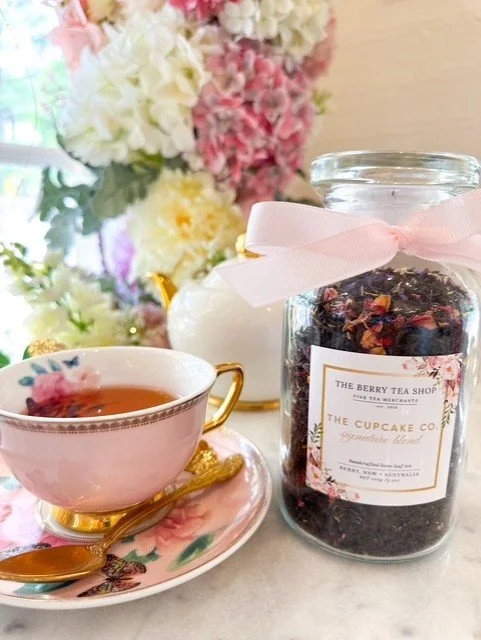
There is something wonderfully civilised about a proper pot of tea. It isn’t simply about making a hot drink; it is a small ritual—one that encourages us to slow down, sit properly, enjoy good company and appreciate the simple pleasure of tea served beautifully.
While everyone has their own preferences (and the milk-first-or-tea-first debate may never truly be settled!), there are a few traditional English customs that can turn an everyday cup of tea into something rather special.
Begin With Fresh Water
A good pot of tea begins with fresh, cold water. Water that has been repeatedly boiled loses oxygen, which can leave tea tasting rather flat.
Fill the kettle with fresh water and bring it to the boil. For traditional black teas such as Earl Grey, English Breakfast or Assam, the water should be freshly boiled when it meets the tea leaves.
And yes, a proper teapot really does make a difference.
Before adding the tea, warm the teapot by swirling a little boiling water around inside it and then tipping it away. This prevents a cold pot from immediately lowering the temperature of the brewing water and is a lovely old-fashioned step worth keeping.
Loose Leaf Tea, Whenever Possible
Loose leaf tea is one of life's little luxuries and, in my opinion, makes the whole experience of preparing a pot of tea feel more special.
The traditional rule is often quoted as:
“One teaspoon per person, and one for the pot.”
For a smaller pot, however, you can simply use approximately one teaspoon of loose leaf tea per cup and adjust according to how strong you like your tea.
Place the leaves into the warmed teapot—or into a generously sized infuser that gives the leaves enough room to unfurl—before pouring over the freshly boiled water.
Give Your Tea Time to Brew
This is where patience is important.
Tea needs time to properly infuse. Pouring it too soon can result in a weak, rather disappointing cup, while leaving it for too long can make some teas bitter.
As a general rule, allow a black tea to brew for around three to five minutes. Rather than stirring it constantly or squeezing the leaves, simply allow the tea to do its work.
My personal favourite is French Earl Grey from The Berry Tea Shop. It is a beautifully fragrant take on traditional Earl Grey, with lovely floral notes that make it feel just a little more elegant. It is exactly the sort of tea I love to sit down and enjoy properly from a china cup rather than rushing through in a takeaway mug.
The Great Debate: Milk First or Tea First?
Few subjects can cause quite as much discussion around an English tea table!
Historically, putting milk into the cup first is sometimes associated with protecting delicate china from cracking when very hot tea was poured into it. There are also those who firmly believe that adding milk first produces a better flavour.
However, when serving tea in the traditional manner, I prefer tea first, milk second.
Pouring the brewed tea first allows you to see its strength and then add precisely the amount of milk you prefer. It also feels rather more elegant when pouring tea for somebody else—you can ask how they take their tea and add the milk accordingly.
For Earl Grey and other fragrant teas, of course, milk is entirely optional. Many people prefer Earl Grey black or with a slice of lemon. If serving lemon, however, leave the milk well away—the two are not friends in a teacup!
How to Pour a Pot of Tea
When pouring for others, good manners suggest that the host pours.
If using loose leaves without an internal infuser, hold a small tea strainer over the cup as you pour. Fill the cup comfortably rather than right to the brim, leaving enough room for milk if required.
Offer milk, sugar and lemon separately so each guest can take their tea exactly as they like it.
And if you are pouring several cups, it is polite to serve your guests before pouring your own.
Stir Quietly
Tea etiquette extends even to the teaspoon.
Rather than stirring vigorously around and around, gently move the spoon back and forth through the tea, taking care not to clink it against the sides of the cup.
When finished, place the teaspoon neatly on the saucer behind or alongside the cup. Never leave it sitting in the cup.
And while we are talking manners: tea is sipped, not slurped.
What About the Pinkie Finger?
Despite what we sometimes see in movies, raising your little finger is not proper English tea etiquette.
Hold the teacup naturally by the handle, usually between your thumb and forefinger, with your other fingers resting comfortably. There is no need for exaggerated gestures—the elegance of good manners is that they should appear effortless.
If you are seated at a table, the saucer generally remains on the table while you lift the cup. If you are standing or sitting away from the table, the cup and saucer can be lifted together.
Take the Time to Actually Enjoy It
Perhaps the most important part of the English tea ritual has nothing to do with teaspoons, milk or brewing times.
It is about taking the time to enjoy it.
A pot of tea is meant to be shared. It invites conversation. It gives us a reason to sit down, put away the phone for a moment and enjoy the company of the people around us.
There is something particularly lovely about choosing a beautiful teapot, setting out proper cups and saucers, brewing good loose leaf tea and enjoying it without rushing.
Whether it is an elaborate High Tea or simply a quiet pot of French Earl Grey in the afternoon, the ritual is much the same: brew it properly, pour it graciously and take the time to savour it.
After all, sometimes the loveliest moments are the simplest ones—especially when they begin with putting the kettle on.